How to Manage Roof Leaks: A Definitive Guide to Structural Triage
How to manage roof leaks in the architectural lifecycle of a building, the infiltration of water through the upper enclosure is rarely a singular event. Rather, it is the culmination of systemic stresses, material fatigue, or latent geometric flaws in the building’s design. To witness water dripping from a ceiling is to see the final stage of a long-duration failure. Managing this crisis requires more than a reactionary bucket; it demands a sophisticated understanding of hydraulic pressure, capillary action, and the physics of gravity-driven moisture migration.
The building envelope serves as a dynamic interface between a controlled interior environment and a volatile exterior atmosphere. When this boundary is breached, the resulting “leak” acts as a catalyst for a cascading series of secondary failures, ranging from the degradation of R-value in insulation to the structural oxidation of steel fasteners or the biological colonization of timber framing by fungal spores. The urgency of the situation often obscures the necessity for a methodical, forensic approach to containment and repair.
This exploration is intended for property managers, homeowners, and facility engineers who require a definitive framework for addressing moisture intrusion. We will move beyond the superficial advice of “patching a hole” and instead analyze the structural governance required to preserve the integrity of the shelter. By synthesizing building science with practical logistics, this analysis provides the technical depth necessary to transform a moment of structural vulnerability into a long-term strategy for asset preservation.
The Forensic Nature of Moisture Intrusion How To Manage Roof Leaks
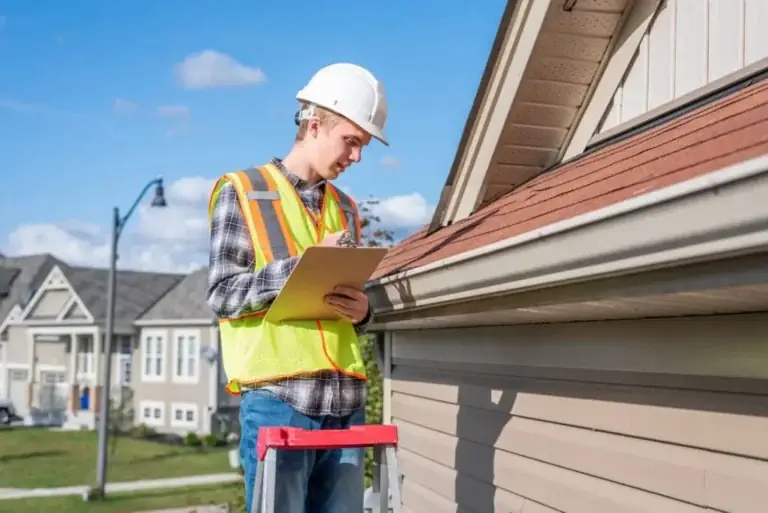
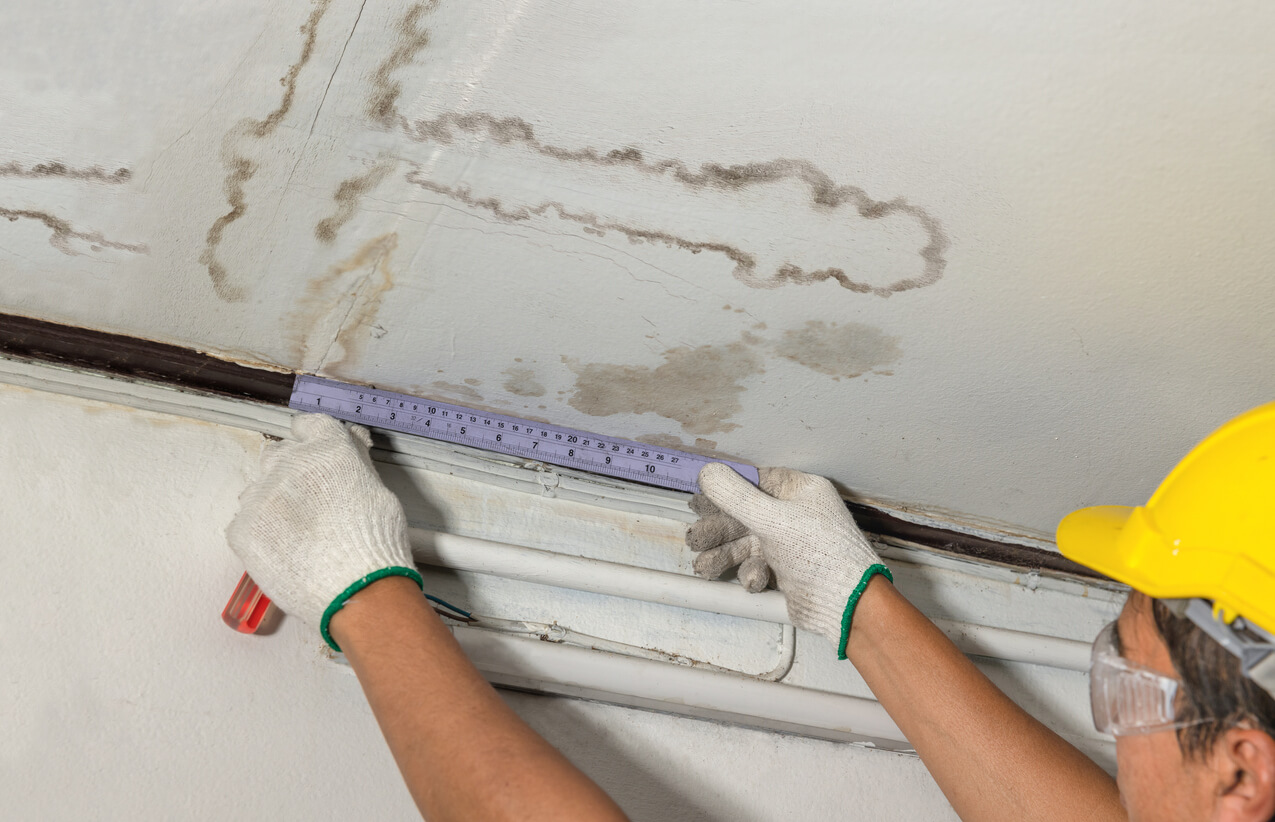
How to manage roof leaks a common error in building maintenance is assuming that the location of a drip corresponds directly to the location of the breach. Water is an opportunistic traveler; it follows the path of least resistance, often “tracking” along rafters, electrical conduits, or plumbing stacks for dozen of feet before finding an exit point. Identifying the source is therefore an exercise in forensic deduction. One must account for the “Entry Point,” the “Travel Path,” and the “Manifestation Point.” Failure to address all three stages typically results in recurring issues that masquerade as “new” leaks.
Historical Evolution of Hydraulic Management
Historically, the management of water was achieved through “Mass and Pitch.” Primitive roofing relied on heavy layers of thatch, slate, or clay, set at steep angles to ensure gravity moved water faster than the material could absorb it. The 20th century introduced the “Managed Membrane” concept, utilizing bitumen, polymers, and synthetic underlayments. While these materials allow for more complex architectural shapes, they have also introduced new failure modes. The reliance on chemical sealants and adhesive tapes means that a leak is no longer just a missing tile; it is a chemical breakdown or an installation error in a multi-layered assembly.
Understanding “how to manage roof leaks”
One must view the process through a multi-perspective lens that balances immediate stabilization with long-term structural health. This is not merely a technical task; it is an administrative and fiscal discipline. The management process begins with “triage”—the stabilization of the interior to prevent the loss of secondary assets like electronics, flooring, and air quality. However, triage without diagnosis is a recipe for catastrophic structural rot.
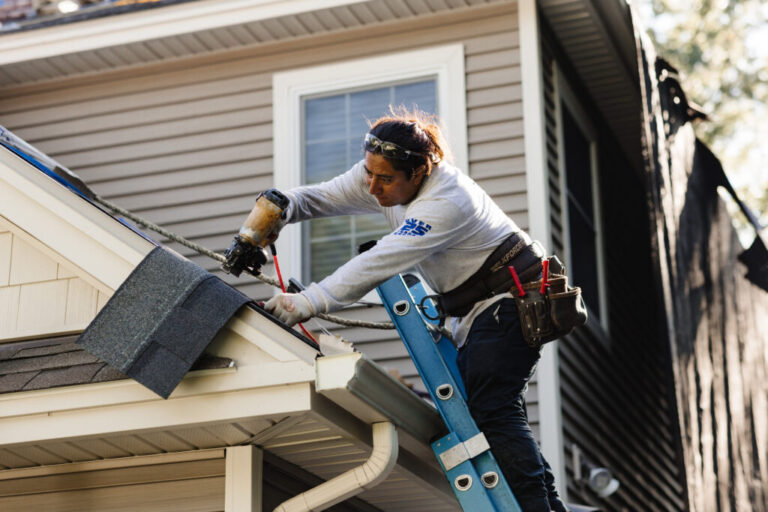
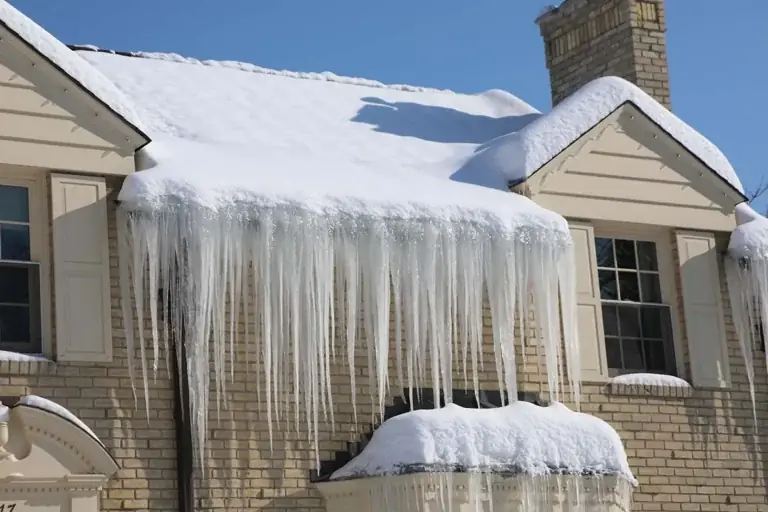
A frequent oversimplification in this field is the reliance on “emergency tarping” as a solution rather than a temporary hold. Professional management requires a distinction between a “Repair” (restoring the original function), a “Patch” (a temporary stop-gap), and a “Remediation” (addressing the underlying design flaw that caused the leak). If a leak occurs because of “ice damming,” patching the shingles will do nothing to prevent the leak from returning during the next freeze-thaw cycle. Thus, managing the leak involves an audit of the attic’s thermal performance and ventilation, not just the shingle’s integrity.
Furthermore, the management process must account for the “Latent Moisture” trapped within the assembly. When water enters a roof, it saturates the insulation and the wood decking. Even if the external hole is sealed, this trapped moisture can trigger “dry rot” (Serpula lacrymans) or mold growth behind the drywall. A comprehensive management plan therefore includes a drying protocol—utilizing industrial dehumidification and moisture meters—to ensure the “as-built” environment returns to a dry equilibrium.
Conceptual Frameworks: The Physics of Water Migration How To Manage Roof Leaks
To evaluate a breach, professionals use mental models that prioritize the laws of physics over visual guesswork.
1. The Capillary Draw Framework
Water can move upward against gravity through narrow spaces. This occurs at the laps of shingles or metal panels if they are not pitched correctly. When managing a leak, one must look for “back-water” marks where wind has pushed water up and under the flashing.
2. The Surface Tension Model
Water “clings” to surfaces. If a roof has a leak at a chimney, the water may cling to the underside of the plywood and travel to the center of a room before dripping. Managing the leak requires following the “stain trail” back to the highest point of the structure.
3. The Hydrostatic Pressure Model
On flat roofs, water “ponds.” As the weight of the water increases, the pressure at the bottom of the pond increases, forcing water through microscopic pinholes in a membrane that would otherwise be waterproof in a rainstorm.
Categories of Intrusion: Point Failures vs. Systemic Porosity
Identifying the type of leak dictates the resource allocation.
| Leak Category | Primary Cause | Management Priority | Long-term Fix |
| Penetration Failure | Rotted pipe boots / skylight seals | Flashing replacement | UV-resistant polymers |
| Geometric Failure | Poorly designed valleys / dead spots | Drainage redirection | Structural re-pitching |
| Material Fatigue | UV degradation / granule loss | Surface coating | Total replacement |
| Ice Damming | Poor attic insulation/ventilation | Thermal stabilization | R-value upgrade |
| Mechanical Damage | Hail / fallen limbs / foot traffic | Impact assessment | Reinforced cladding |
Realistic Decision Logic
If the leak manifests only during “Wind-Driven Rain,” the management priority is the vertical flashings and siding-to-roof transitions. If the leak occurs during “Snow Melt,” the focus shifts to the eaves and the attic’s temperature differential.
How To Manage Roof Leaks Detailed Real-World Scenarios
Scenario A: The “Ghost Leak” in Summer
A stain appears in the ceiling during a heatwave with no rain.
-
The Diagnosis: This is likely not a roof leak but “Interstitial Condensation.” Poor ventilation is causing humid attic air to liquefy on the underside of a cold roof deck.
-
The Management: Increasing net-free intake ventilation at the soffits.
Scenario B: The Valley Overload
During a torrential downpour, water enters near the gutter line.
-
The Diagnosis: “Hydraulic Overload.” Two roof planes meet in a valley, and the volume of water is so high it is overshooting the flashing.
-
The Management: Installing “Diverters” and widening the valley width.
Economic Dynamics: Direct Costs and Opportunity Loss How To Manage Roof Leaks
The fiscal reality of managing leaks involves more than the contractor’s invoice.
| Cost Component | Range (Residential) | Range (Commercial) |
| Emergency Triage (Tarping) | $400 – $1,200 | $1,500 – $5,000 |
| Forensic Diagnosis (Infrared) | $200 – $500 | $1,000 – $3,000 |
| Secondary Damage (Drywall/Insulation) | $500 – $3,000 | $5,000 – $50,000+ |
| Opportunity Cost (Business Interruption) | N/A | $2,000 – $100,000/day |
The Variability Factor: A leak managed within 24 hours typically costs 1/10th of a leak that is allowed to sit for a week, due to the exponential growth of mold and the degradation of structural adhesives.
Tools, Strategies, and Support Systems
Effective management requires a toolkit that spans from high-tech sensors to low-tech barriers.
-
Infrared (FLIR) Cameras: Detects the “thermal mass” of water. Wet insulation stays cold longer than dry insulation, showing up as purple “plumes” on a screen.
-
Electronic Leak Detection (ELD): Used on flat roofs to find pinholes in membranes using an electrical current.
-
Moisture Probes: Measuring the percentage of water in wood (anything over 19% is a rot risk).
-
Hose Testing: A systematic “bottom-up” wetting of the roof to recreate the leak in a controlled environment.
-
Kick-out Flashing: A small metal piece that prevents water from entering the wall assembly at roof-to-wall intersections.
-
Desiccant Dehumidifiers: Essential for removing moisture from the “hidden” cavities of the roof after the leak is stopped.
Risk Landscape: Compounding Failures and Latent Damage
Managing a leak is a race against biology and chemistry.
-
The Mold Threshold: Mold spores can begin to colonize wet cellulose (drywall paper) within 24 to 48 hours of exposure.
-
Structural Oxidation: In metal buildings, a small leak can lead to “rust jacking,” where expanding rust physically pushes structural components apart.
-
R-Value Collapse: Wet fiberglass insulation loses up to 90% of its effectiveness. Managing the leak must include the replacement of wet insulation to prevent energy loss.
Governance and Long-Term Adaptation Protocols How To Manage Roof Leaks
To move from “Crisis Mode” to “Authority Mode,” a building owner must implement a governance cycle.
The Stewardship Checklist
-
Spring/Fall Audits: Clearing “dead valleys” and checking for cracked sealants at pipe boots.
-
Fastener Review: On metal roofs, checking for “backed-out” screws every 5 years.
-
Gutter Maintenance: Ensuring downspouts move water at least 5 feet away from the foundation to prevent “wicking” leaks.
-
Trigger Events: Any wind event over 50mph or hail over 0.75″ should trigger an automatic inspection, even if no drips are visible.
Measurement, Tracking, and Evaluation Metrics
How do you evaluate if you have successfully managed the leak?
-
Lagging Indicator: The absence of new stains after three consecutive rainstorms of varying intensities.
-
Leading Indicator: Attic humidity levels staying below 50% during a rain event.
-
Documentation Example: Maintaining a “Leak Log” that maps every breach. If three leaks occur in the same quadrant over two years, the management strategy should shift from “Repair” to “Systemic Replacement.”
Common Misconceptions and Industry Myths
-
Myth: “A new roof won’t leak.”
-
Correction: Most leaks occur at “Transitions” (chimneys, walls, vents). A new roof with old flashings is still a high-risk system.
-
-
Myth: “Roof cement (mastic) is a permanent fix.”
-
Correction: Mastic dries out and cracks. It is a “Triage” material, not a “Repair” material.
-
-
Myth: “You can just paint over the stain once it’s dry.”
-
Correction: Water stains often contain minerals and tannins that will bleed through standard paint. A shellac-based primer is required to seal the damage.
-
-
Myth: “If it’s not dripping, the leak is gone.”
-
Correction: In small breaches, the insulation may be soaking up the water. The damage is still happening, it just hasn’t reached the ceiling yet.
-
Conclusion: Synthesis and Adaptability
Managing water intrusion is an exercise in intellectual honesty and structural stewardship. It requires the builder or owner to acknowledge that the roof is not a static object, but a dynamic system under constant assault from UV, wind, and thermal expansion. A truly professional approach to the problem is one that seeks the “Root Cause”—whether that be a chemical failure of a sealant, a geometric flaw in a valley, or a thermal failure in the attic.
By applying the frameworks of forensic diagnosis and hydraulic physics, the crisis of a leak can be transformed into an opportunity to harden the building envelope. The goal is not merely to “stop the drip,” but to ensure the building remains a dry, healthy, and structurally sound asset for the duration of its intended lifecycle. The most successful roof is the one that is managed so well that the inhabitants forget it is even there.