Best Roofing for Energy Efficiency: A Definitive 2026 Guide to Thermal Performance
The thermal performance of a building’s envelope is rarely determined by a single material choice, yet the roof remains the most significant variable in the heat transfer equation. For residential and commercial structures alike, the roof acts as the primary interface between controlled internal environments and the volatile external atmosphere. Selecting the best roofing for energy efficiency requires a departure from purely aesthetic considerations, moving instead toward a systemic understanding of thermodynamics, material science, and regional climate patterns.
Energy efficiency in roofing is traditionally measured by two core metrics: solar reflectance and thermal emittance. Reflectance dictates how much solar energy is bounced away from the surface before it can be absorbed as heat, while emittance measures the material’s ability to release the heat it has already absorbed. However, a truly high-performance roof must also account for secondary factors such as thermal mass, insulation integration, and the longevity of these properties under constant UV degradation.
The complexity of this choice is compounded by the “Cool Roof” paradox. In cooling-dominated climates, high-reflectance materials are a logical necessity. In heating-dominated or mixed climates, however, a roof that reflects too much heat during winter months can actually increase the heating load, a phenomenon known as the “heating penalty.” Therefore, the search for the most efficient roofing solution is not a search for a universal product, but for a localized strategy that balances seasonal demands.
Understanding “best roofing for energy efficiency.”
When homeowners or developers search for the best roofing for energy efficiency, they are often met with simplified marketing claims centered on “cool roof” ratings. This focus, while grounded in science, often ignores the nuance of building physics. A roof’s efficiency is not an inherent property of the material alone; it is a functional outcome of how that material interacts with the attic’s ventilation, the building’s insulation R-value, and the local microclimate.
One common oversimplification is the belief that a white roof is always the most efficient. While white membranes or coatings offer the highest solar reflectance index (SRI), they may lead to moisture accumulation in colder climates due to a lack of solar-driven drying. Conversely, heavy materials like clay tiles might have lower reflectance than a white membrane but offer superior thermal mass, delaying the transfer of heat into the living space until external temperatures drop in the evening.
Efficiency also encompasses the lifecycle of the material. A roofing product that requires replacement every 15 years carries a much higher embodied energy cost than one that lasts 50 years, even if the latter has a slightly lower day-to-day thermal performance. True efficiency is a marriage of immediate thermodynamic benefits and long-term structural durability.
Deep Contextual Background
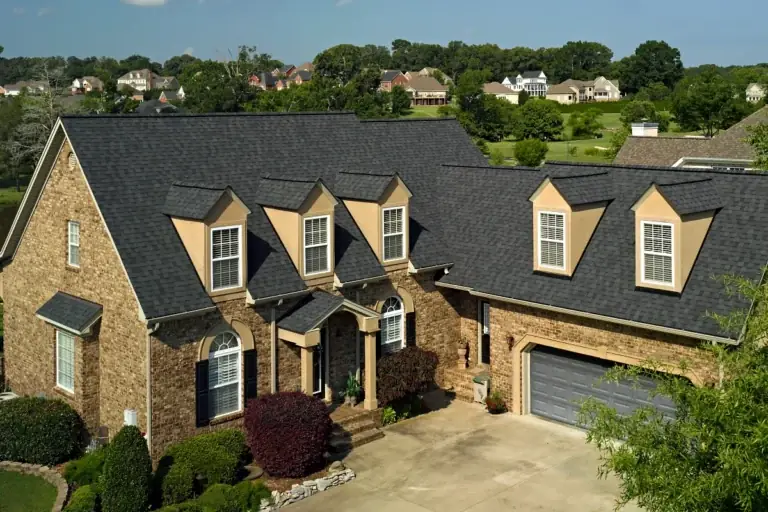
Historically, roofing was dictated by local availability and the need for basic shedding of water. In the Mediterranean, thick clay tiles provided the thermal mass necessary to buffer desert heat. In Northern Europe, steep-pitched slate or wood shake prioritized snow shedding and insulation via trapped air. The industrialization of the 20th century introduced asphalt shingles—a cheap, petroleum-based byproduct that prioritized ease of installation over thermal performance.
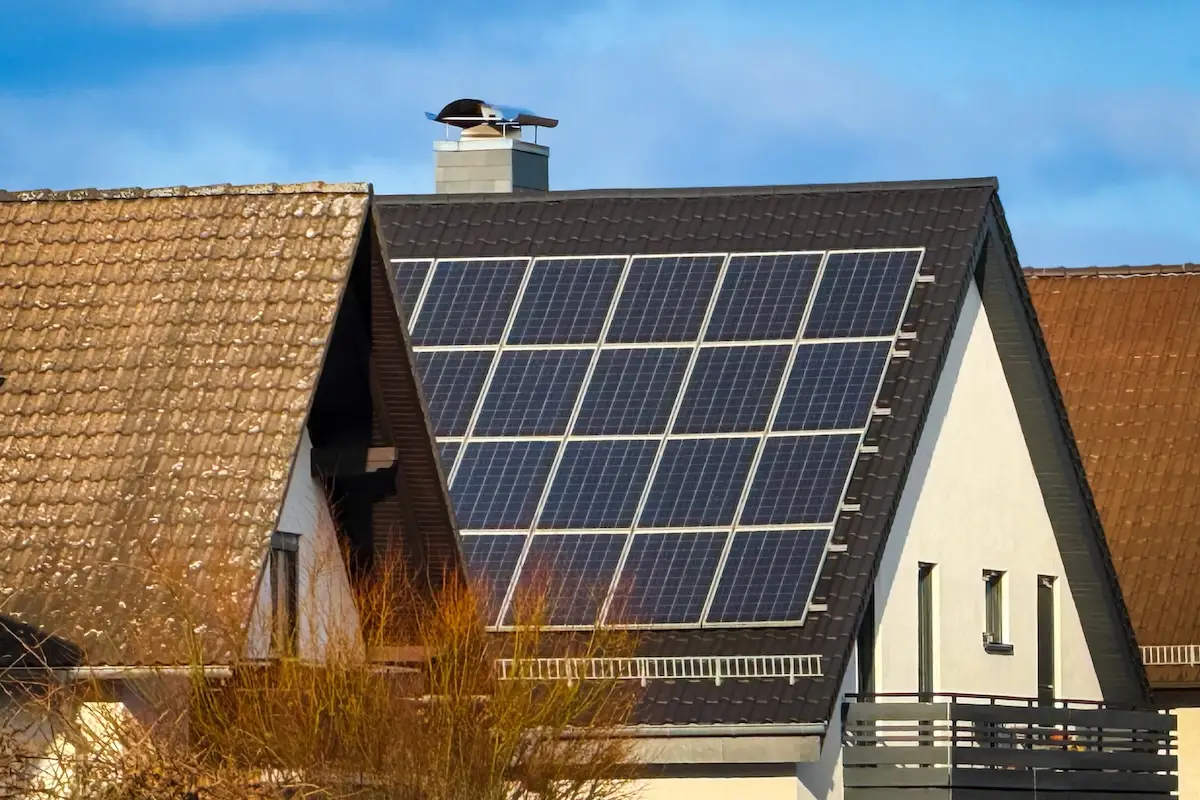
The shift toward energy-conscious roofing began in earnest during the energy crises of the 1970s, which spurred the first major research into radiant barriers and attic ventilation. By the 1990s, the “Cool Roof” movement gained momentum, leading to the establishment of the Cool Roof Rating Council (CRRC) and the integration of SRI values into building codes like California’s Title 24. Today, the conversation has moved beyond mere reflection. We are now seeing the rise of “smart” materials, such as thermochromic coatings that change color based on temperature, and the deep integration of photovoltaic (PV) arrays directly into the roofing substrate, transforming the roof from a passive barrier into an active energy generator.
Conceptual Frameworks and Mental Models
To evaluate roofing efficiency accurately, one should employ several mental models:
-
The Envelope-as-Filter: View the roof not as a wall, but as a selective filter. It should ideally block infrared radiation while allowing moisture vapor to escape. If a roof is too “tight,” it saves energy but destroys the structure through rot.
-
The Time-Lag Effect: This applies primarily to high-mass materials (tile, concrete). The goal is to synchronize the heat transfer through the roof with the building’s occupancy patterns. If the heat reaches the interior only when the residents are asleep and the air is cool, the AC load is shifted or eliminated.
-
The Albedo Effect (Urban vs. Rural): In urban environments, the best roofing for energy efficiency must also account for the Urban Heat Island (UHI) effect. Reflective roofs benefit the building and the surrounding neighborhood by lowering ambient air temperatures.
-
The Diminishing Returns of R-Value: There is a point where adding more insulation beneath the roof yields negligible energy savings. At this threshold, the surface properties of the roofing material (reflectance/emittance) become the dominant factors in performance gains.
Key Categories and Performance Trade-offs
Selecting a material involves navigating a complex matrix of weight, cost, and thermal properties. No single material excels in every category.
| Material Type | Solar Reflectance | Thermal Mass | Lifespan | Primary Benefit |
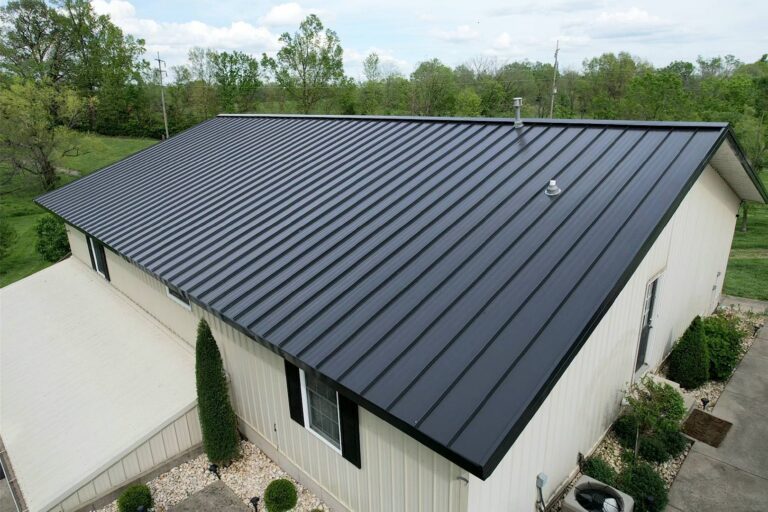
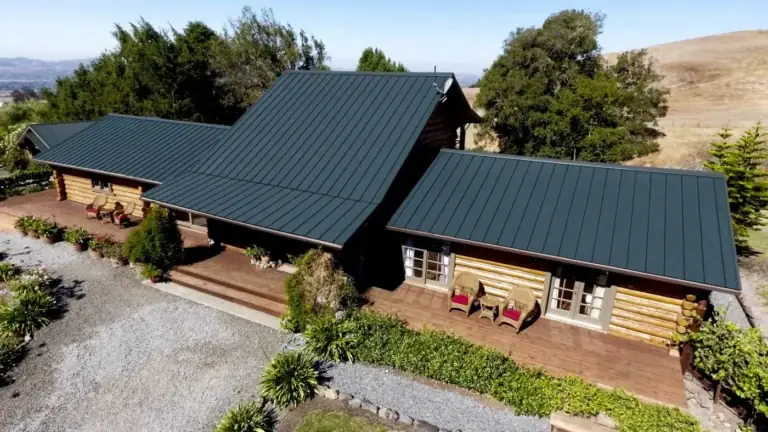
| Metal (Cool-Coated) | High | Low | 50+ Years | Rapid heat shedding; high recyclability. |
| Clay/Concrete Tile | Moderate | High | 50-100 Years | Thermal buffering; ideal for hot/dry climates. |
| Asphalt (Cool Shingles) | Moderate | Low | 20-30 Years | Cost-effective; familiar installation. |
| Synthetic/Composite | Moderate | Low | 30-50 Years | Lightweight; mimics high-mass looks. |
| Single-Ply (TPO/PVC) | Very High | Low | 20-25 Years | Maximum reflectance for flat/low-slope. |
| Green (Vegetated) | Variable | High | 40+ Years | Evapotranspiration manages stormwater. |
Decision Logic: Climate-Specific Selection
In the American Southwest, the priority is Reflectance and Mass. Metal with “cool” pigments or barrel tiles with high-ventilation “batten” systems are superior. In the Pacific Northwest, where heating is the primary concern and cloud cover is constant, Durability and Moisture Management outweigh SRI. Metal is often preferred here for its ability to shed water and resist organic growth (moss), which can compromise the thermal integrity of shingles.
Detailed Real-World Scenarios
Scenario A: The Southern Retrofit
An owner of a 1980s ranch-style home in Florida wants to lower cooling bills. The existing dark asphalt shingles absorb 90% of solar radiation.
-
Constraint: The structure cannot support the weight of clay tiles.
-
Decision: Install a standing-seam metal roof with a Kynar 500 “cool” finish.
-
Second-Order Effect: The metal roof’s low mass allows it to cool to ambient temperature within minutes of sunset, reducing the “nighttime radiation” that usually keeps Florida attics hot until midnight. This is a primary example of choosing the best roofing for energy efficiency based on diurnal temperature swings.
Scenario B: The Cold-Climate Commercial Flat Roof
A warehouse in Minnesota needs a new roof.
-
Risk: Using a white TPO membrane (highly reflective) might lead to condensation inside the roof assembly because the roof never gets warm enough to drive moisture out.
-
Decision: A gray or “tan” TPO membrane is chosen to balance summer reflection with winter solar gain, coupled with increased polyisocyanurate (ISO) insulation to prevent the dew point from occurring within the structural deck.
Planning, Cost, and Resource Dynamics
The “best” roof is an investment that requires an analysis of both “hard” costs (materials, labor) and “soft” costs (energy savings, insurance premiums). Metal and tile often have a higher upfront cost but offer a lower Total Cost of Ownership (TCO) over 40 years.
Estimated Investment and Payback
| Roof Category | Initial Cost (per sq. ft.) | Expected Lifespan | 10-Year ROI (Energy) |
| Standard Asphalt | $4.00 – $6.00 | 20 Years | Low |
| Reflective Asphalt | $5.00 – $8.00 | 22 Years | Moderate |
| Cool Metal | $12.00 – $18.00 | 50+ Years | High |
| Clay/Concrete Tile | $15.00 – $25.00 | 75+ Years | Moderate-High |
Tools, Strategies, and Support Systems
Achieving maximum efficiency requires more than just the material. These support systems are critical:
-
Radiant Barriers: A thin layer of reflective foil installed in the attic. It works in tandem with the roof to block 97% of radiant heat transfer.
-
Solar Attic Fans: Actively pulling hot air out of the attic prevents heat from “soaking” through the ceiling insulation.
-
Batten Systems: For tile roofs, installing tiles on a grid (battens) allows air to flow underneath the tiles, creating a thermal break.
-
Energy Modeling Software: Tools like PVWatts or specialized HVAC modeling can predict the exact dollar savings of a specific roofing choice based on historical weather data.
-
Cool Roof Rating Council (CRRC) Database: A tool for verifying the aged reflectance of materials, as roofs become less reflective as they accumulate dirt.
-
Phase Change Materials (PCMs): Emerging technologies that absorb and release thermal energy during phase transitions, further stabilizing internal temperatures.
Risk Landscape and Failure Modes
The pursuit of the best roofing for energy efficiency is not without risk.
-
Thermal Shock: Metal roofs expand and contract significantly. Improper fastening can lead to “oil canning” or seal failure.
-
The “Glaring” Problem: Highly reflective white roofs in residential neighborhoods can cause significant glare issues for neighbors or even melt vinyl siding on adjacent houses (the “Death Ray” effect).
-
Snow Accumulation: On metal roofs in cold climates, snow can slide off in large “avalanches,” posing a safety risk and damaging gutters. Snow guards are a necessary, though often overlooked, efficiency add-on.
-
Condensation Trap: Installing a “cool” surface without upgrading the vapor barrier in cold climates can trap moisture inside the roof deck, leading to structural rot.
Governance, Maintenance, and Long-Term Adaptation
Efficiency is not a “set and forget” metric. A roof’s SRI degrades over time due to soot, pollen, and UV breakdown.
-
Bi-Annual Inspections: Checking for “granule loss” on reflective shingles or “chalking” on metal coatings.
-
Cleaning Cycles: For flat TPO/PVC roofs, a simple pressure wash every 3-5 years can restore up to 20% of the lost solar reflectance.
-
Insulation Checks: Efficiency is lost if the insulation beneath the roof settles or becomes damp.
Measurement, Tracking, and Evaluation
Determining if you have actually achieved the best roofing for energy efficiency requires a look at both leading and lagging indicators.
-
Leading Indicators: Installation of a material with a 3-year aged SRI above 0.70; Attic-to-Ambient temperature delta of less than 15°F during peak sun.
-
Lagging Indicators: Reduction in kWh consumption during peak cooling months; extended lifespan of HVAC equipment due to lower cycling frequency.
-
Qualitative Signals: Improved occupant comfort in upper-story rooms; absence of “hot spots” near the ceiling.
Common Misconceptions and Oversimplifications
-
Myth: “Metal roofs make the house hotter.” Fact: Metal has low thermal mass; it reflects more and cools faster than asphalt.
-
Myth: “Solar panels replace the need for an efficient roof.” Fact: Solar panels operate more efficiently over a “cool” roof because they don’t overheat as easily.
-
Myth: “A roof’s color is the only thing that matters.” Fact: Ventilation and emissivity are often more impactful than color alone.
-
Myth: “Energy-efficient roofs are only for hot climates.” Fact: While the savings are higher in the South, durable materials reduce lifecycle costs everywhere.
Synthesizing the Efficient Envelope
The search for the best roofing for energy efficiency ultimately leads to a realization: the roof is the “hat” of the building, and its effectiveness depends on the “coat” (insulation) and the “breathability” (ventilation) of the entire structure. For most homeowners in temperate to hot climates, a high-reflectance metal system or a ventilated tile system represents the pinnacle of current technology. In colder regions, the focus shifts toward durability and the integration of high-R-value rigid insulation to prevent heat loss.